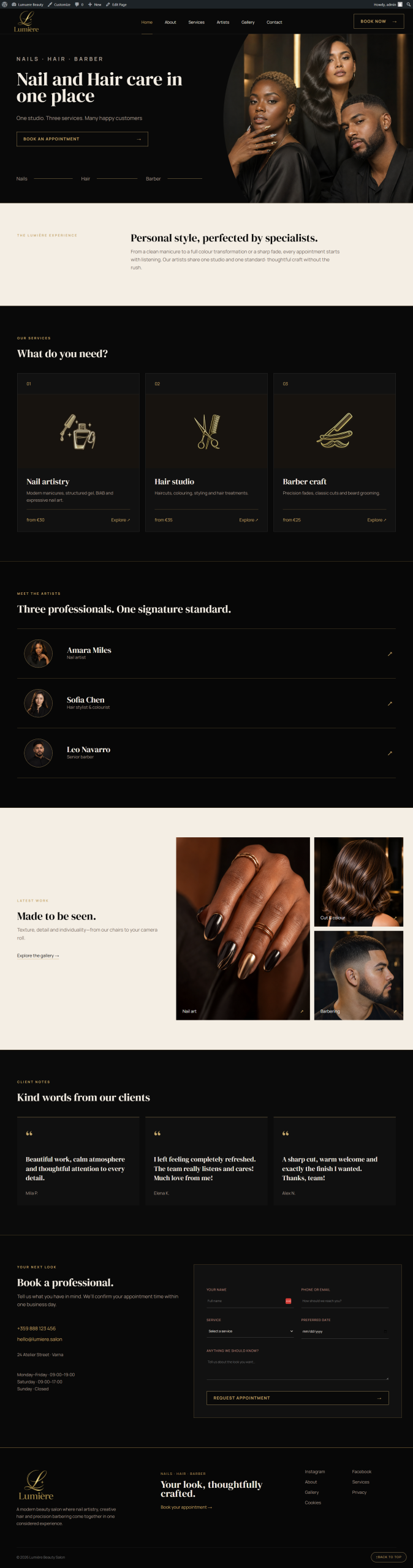
This website started as an experiment.
We first created Lumière: a fictional beauty salon offering nail, hair and barber services using ChatGPT Sites.
Then we took the original design and turned it into a custom WordPress theme.
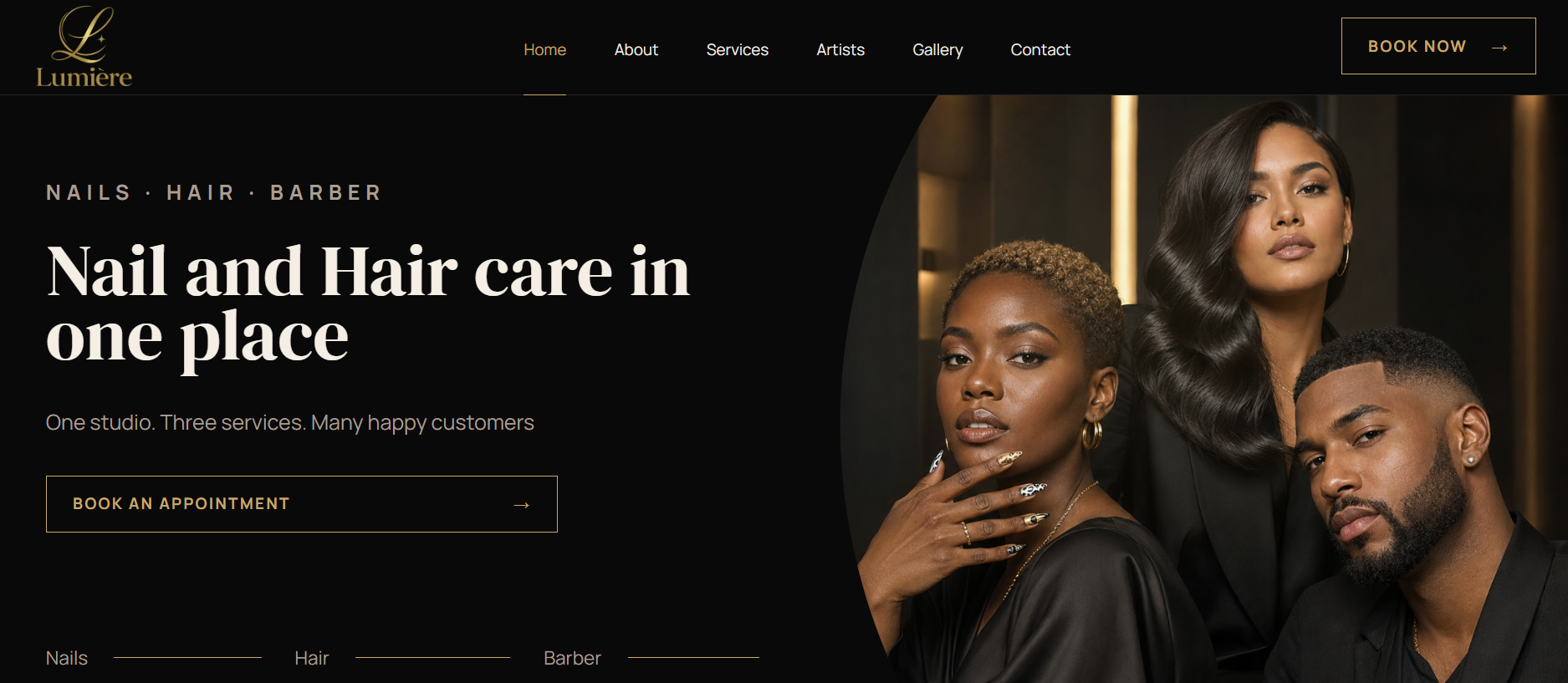
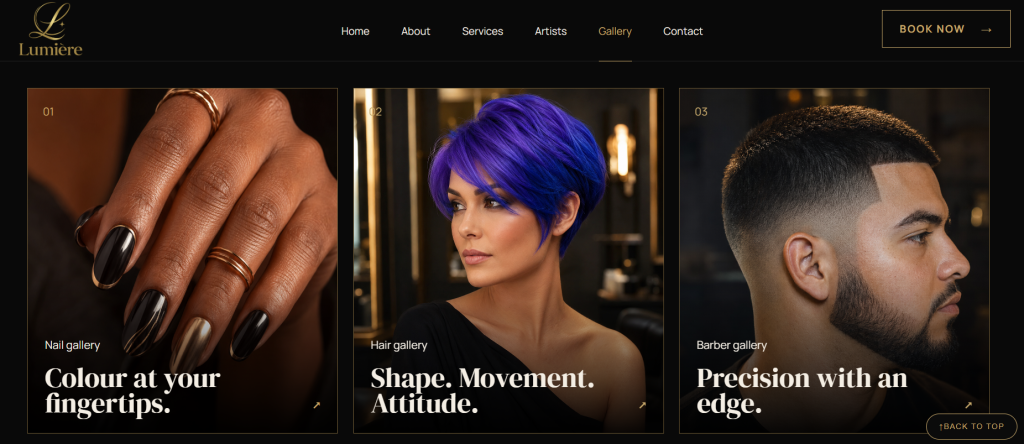
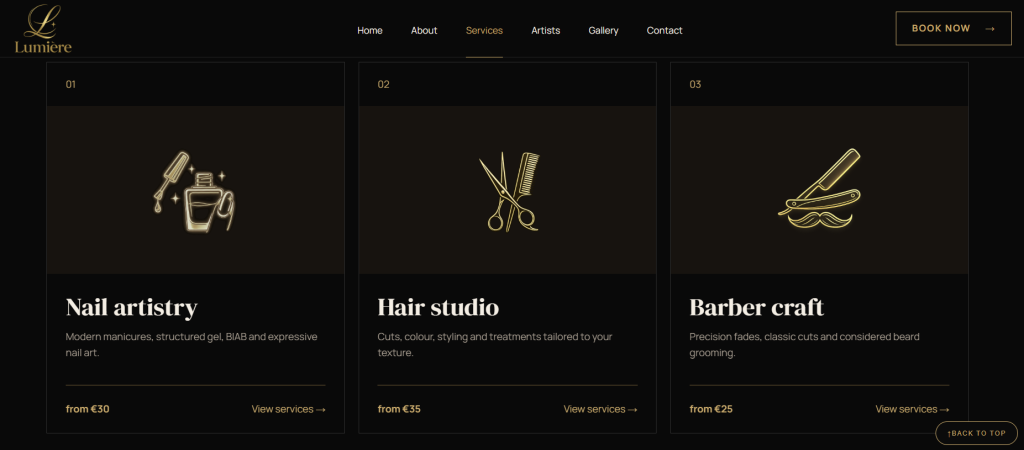
The screenshot you see here is from the WordPress version, not directly from the website created in ChatGPT Sites.
Visually, the result turned out beautifully. But there is a major difference between generating an attractive website concept and transforming it into a functional WordPress theme that can be used for a real business.
Even if we build an entire website through ChatGPT Sites, we would still treat that version primarily as a demo or design prototype, especially for a larger business. It remains dependent on the platform, the account that created it and its publishing and ownership options.
For a serious business, we want the client to own the website files, use their own domain and hosting, control access, create backups and remain independent of the tool used to build the original design.
That is why we recreated Lumière as a custom WordPress theme.
And that is where the truly time-consuming work began.
We had to make sure that:
• every page and section could be edited;
• images, services, team members and gallery items could be replaced;
• new pages and menu items could be added;
• typography, spacing and colours remained consistent;
• the layout worked properly across different screen sizes;
• forms, metadata and basic on-page SEO were included;
• the website could be maintained safely after launch.
AI can generate an impressive-looking website very quickly. But if you do not understand WordPress, responsive design, website structure and at least the basics of SEO, turning that design into a reliable, manageable and independently owned website can be surprisingly difficult.
Then come the smaller problems: cropped images, broken layouts, missing editing options, inconsistent spacing and sections that look perfect on desktop but fall apart on mobile.
Tools such as Codex make the process more flexible because they can work with actual source files that can be stored, transferred and deployed independently. But they still do not remove the need to understand what has been built, how it works and whether it is genuinely ready for a client.
So yes, AI can help create something beautiful.
But turning that concept into a production-ready WordPress website still requires human judgement, technical knowledge and a great deal of manual work.
Lumière is a good example of both sides: what these tools can already do remarkably well and how much work is still hidden behind the final result.
────────── ✦ ──────────
────────── ✦ ──────────
────────── ✦ ──────────
────────── ✦ ──────────